October 12, 2026
Food UGC: How to Create Content Brands Want to Pay For
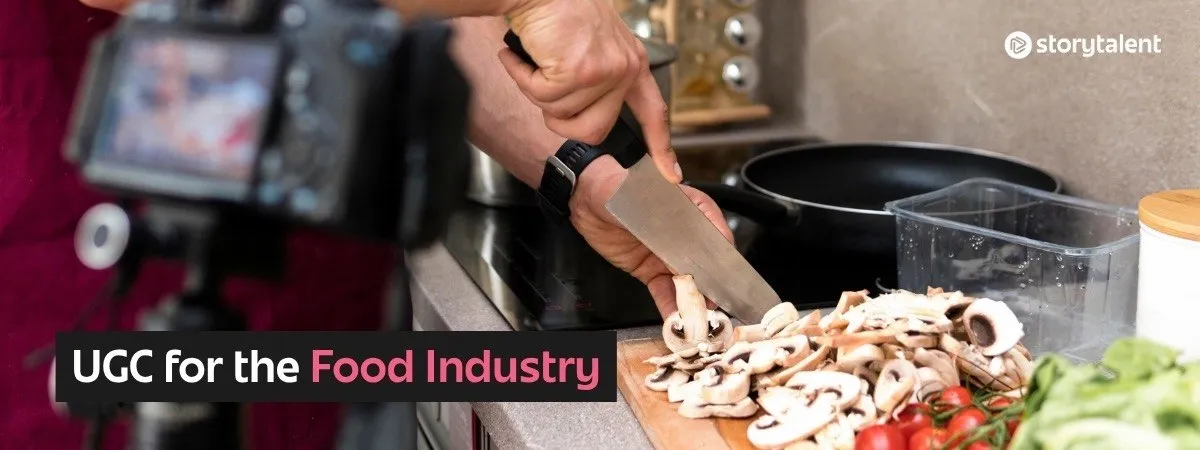
We eat with our eyes first, and increasingly with our phones too. Before booking a table or ordering delivery, people look up how the dish looks, what those who've already tried it say, and what the place looks like inside. 92% of consumers read reviews before deciding where to eat, according to data compiled by Amra & Elma, and much of that decision is built on content created by real people, not by brands.
That content has a name — UGC (user-generated content) — and in the food sector it's one of the most in-demand and best-paid. Restaurants, food and beverage brands, and delivery apps need authentic content that whets the appetite, and they're willing to pay creators who know how to produce it.
If you love food and creating content, food UGC can become a real income source. In this guide, you'll understand what it is, why it works so well in this sector, which formats brands look for, and how to start monetizing your food content even if you're just getting started.
What is food UGC?
Food UGC is content created by real people about food, drinks, restaurants, or food products, rather than content produced by the brand itself. A video showing the first bite of a burger, an honest restaurant review, or a recipe recreated at home are all examples of food UGC.
What sets it apart from an ad is authenticity. The content feels like a recommendation from a friend who actually tried the dish, not a polished studio campaign. That closeness is exactly what food and HORECA (hotels, restaurants, and cafés) brands need, because it builds trust and appetite at the same time.
As a food UGC creator, your content doesn't necessarily live on your own channels. Often you produce it for the brand to use on its own channels, delivery pages, or ads. That's why you don't need a large audience — what brands buy is your ability to make food look irresistible.
Why UGC works so well in the food sector
The food sector is one of the areas where UGC performs best, and there are very concrete reasons behind it.
The first is the visual power of food. A well-filmed dish triggers an immediate reaction, and short video amplifies that effect like no other format. Food content generates a direct emotional response, because the viewer can almost taste what they see, and that reaction translates into wanting to try it.
The second is trust. Eating involves an act of faith in the quality and hygiene of what we consume, so people look for proof before deciding. 81% of consumers want to see how their food is prepared behind the scenes, according to Nielsen data cited by Amra & Elma, and that kind of transparency is best delivered by authentic creator content.
The third is discovery. Social media has become the food search engine of newer generations. 86% of millennials try a new restaurant after seeing its content online, according to the same data compilation. People discover where to eat by scrolling through videos, and UGC is the fuel of that discovery.
All of this explains why food brands invest more and more in creators who produce authentic content. They're not looking for perfect commercials, but for real videos that spark cravings and build trust.
Types of food UGC brands look for
Not all food content sells the same. These are the UGC formats most in demand from food brands, and the ones you can master as a creator.
Visual product content
This is the heart of food UGC. It includes videos and photos that show the dish or product in the most appetizing way possible — shots of the first bite, the cheese pull, the drink being poured, or the steam rising off a hot plate. Here the key is light, framing, and sound, because the crunch or the sizzle sells too.
Honest reviews and testimonials
First-person reviews build enormous trust because they include the creator's real opinion. A video trying a restaurant or a product, with a genuine reaction and concrete details about the flavor, texture, or experience, connects far more than any brand description.
Behind-the-scenes and preparation
Showing how a dish is prepared, the behind-the-scenes of a kitchen, or a product's making-of answers exactly what the consumer wants to see. This type of content provides transparency and builds a special connection with the brand.
Recipe recreations and challenges
Recreating a recipe, a cooking hack, or joining a food challenge is a highly shareable format brands love. It invites the audience to participate and replicate the content, multiplying reach organically.
How to start making food UGC and monetize it
Turning your passion for food into income is more accessible than it seems. You don't need to be a chef or have professional equipment — just know how to make food look appetizing and authentic. Here are the steps to get started.
Define your style within the food niche
The food sector is huge, so it helps to focus. You can specialize in restaurant reviews, home recipes, baking, healthy food, drinks, street food, or supermarket products. Choosing a focus makes you more attractive to brands in that subsector and helps you build a recognizable style.
Build your portfolio with what you already have
You don't need clients to start. Film the dishes you make or the places you go, as if the content were for a real brand. Mind the natural light, use close-up shots, and show the product at its best. With three or four well-made pieces, you already have a portfolio to show what you're capable of.
Master the hook and technical quality
In food, the first second decides everything. Open with the most appetizing shot, the most satisfying moment, or a question that sparks a craving. Mind the audio too, because food sounds are part of the appeal, and film with good light so the colors look vivid and real.
Connect with the right brands
This is the step where most creators get stuck. They have the talent and the content, but don't know how to reach food brands or how much to charge, so they end up sending cold messages that rarely get a reply. A specialized platform solves that problem, because it connects you directly with brands already looking for food content.
Turn your passion for food into real income
Food UGC is one of the most accessible ways to monetize your content, because food brands invest heavily and don't require you to have a huge audience. What they're looking for is authentic content that sparks appetite and builds trust, and you can create that from your kitchen or your favorite table.
StoryTalent connects creators with brands looking for exactly this kind of content, with more than 9,000 registered creators across LATAM and the United States. You can explore campaigns, negotiate your rates transparently, and receive secure payments — all in one place and regardless of your follower count. Registration is free, so you can start receiving brand offers even if you're starting from scratch.
If you're passionate about food and want to turn that talent into income, sign up free on StoryTalent and start receiving offers from brands looking for creators like you.
FAQs
What is food UGC?
It's content created by real people (videos, photos, reviews) about food, drinks, or restaurants. Food brands use it because it builds more trust and appetite than traditional advertising.
Do I need to be a chef to make food UGC?
No. You don't need to be a chef or have professional equipment. You just need to know how to make food look appetizing and authentic, with good light and close-up shots.
Do I need a lot of followers to monetize food UGC?
No. UGC is paid for the quality of the content, not the size of your audience, because brands use the content on their own channels and ads.
Which food UGC formats work best?
Visual product content, honest reviews, behind-the-scenes of the preparation, and recipe or challenge recreations are the ones brands demand most.
Where do I find brands for food UGC?
On specialized platforms like StoryTalent, which connect creators with brands across LATAM and the US, with transparent negotiation and secure payments, regardless of your follower count.
Disponible en otros idiomas:
Leer en Español